

February 20, 2026
Welcome to this month’s edition of the Entoro Insurance Services Newsletter! The insurance industry is experiencing a steady shift driven by digital innovation. While insurtech may not always feel urgent, its long-term impact on underwriting precision, broker workflows, and client experience is material and accelerating.

The insurance industry is experiencing a steady shift driven by digital innovation. While insurtech may not always feel urgent, its long-term impact on underwriting precision, broker workflows, and client experience is material and accelerating.

For businesses, this means risk solutions are becoming more accessible, but also more nuanced in structure, exclusions, and trigger mechanics.
1. Embedded Insurance: Risk Protection at the Point of Transaction
Embedded insurance integrates coverage directly into a product or service purchase, allowing risk protection to be bound within existing commercial workflows rather than through separate procurement processes.
Strategic Impact:
For businesses, this increases accessibility to risk solutions while introducing greater complexity around coverage terms, exclusions, and trigger mechanics that require careful review.
2. Real-Time Quoting Engines: Speed with Precision
Real-time quoting engines use data analytics and automated underwriting inputs to deliver pricing and coverage indications on materially shorter timelines.
Strategic Impact:
While speed improves responsiveness, disciplined oversight remains critical to ensure that automated quoting aligns with risk appetite, coverage intent, and contractual requirements.
3. AI-Driven Claims Handling: Efficiency Meets Data Intelligence
Artificial intelligence is reshaping claims operations through automated intake, document analysis, and predictive analytics that identify patterns across loss events.
Strategic Impact:
Why This Matters for Risk Strategy
Insurtech advancements are not simply operational improvements; they are influencing how risk is evaluated, transferred, and managed. Organizations that understand these shifts are better positioned to:
At EIS, we monitor these developments closely to ensure innovation enhances, not complicates, our clients’ protection strategies.

Challenge: A mid-sized company experienced increased risk exposure following rapid operational expansion across new business lines and geographic markets. The existing insurance program had been structured for a smaller footprint and had not kept pace with evolving contractual, regulatory, and operational risks, creating potential coverage gaps.
EIS Solution: EIS performed a comprehensive risk assessment, reviewed contractual and regulatory exposures, and restructured key insurance placements to align with the company’s expanded operations. The updated program incorporated clearer coverage definitions, adjusted limits, and improved coordination across policies to support projected growth.
Outcome: The revised structure improved coverage alignment, reduced uncertainty around loss scenarios, and provided management with greater confidence that insurance protection would scale alongside continued expansion.
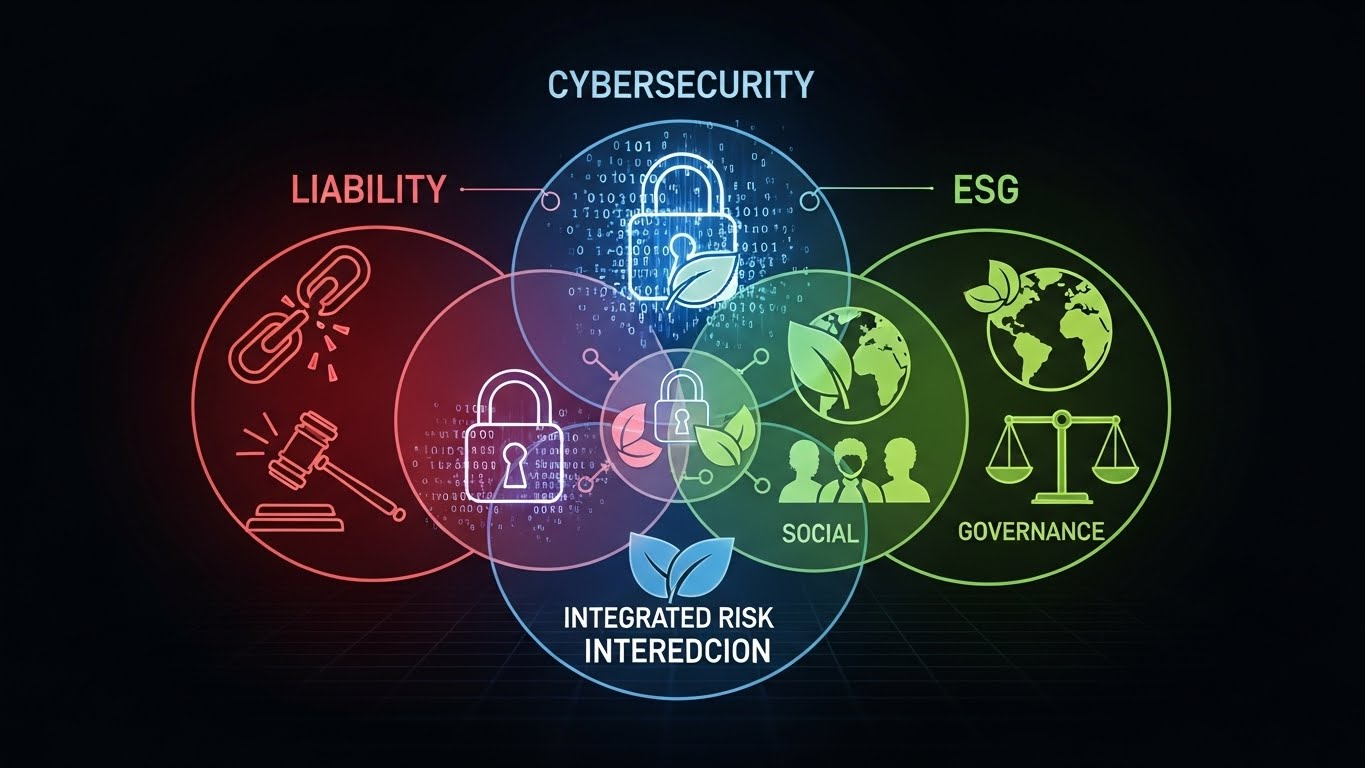
As digital transformation continues, insurers and brokers alike must balance efficiency with strategic oversight.
Technology can enhance underwriting precision and client service, but risk management remains fundamentally relationship-driven and advisory in nature.
The question for businesses is not whether innovation will impact insurance, but how proactively they choose to adapt.