

January 20, 2026
Welcome to this month’s edition of the Entoro Insurance Services Newsletter! Environmental liability has quietly shifted from a peripheral concern to a deal-critical risk factor across real estate, infrastructure, energy, and development markets. Over the past 12–18 months, lenders, investors, and regulators have materially tightened their expectations around environmental risk transfer, turning insurance from a “nice-to-have” into a financing and permitting gate.
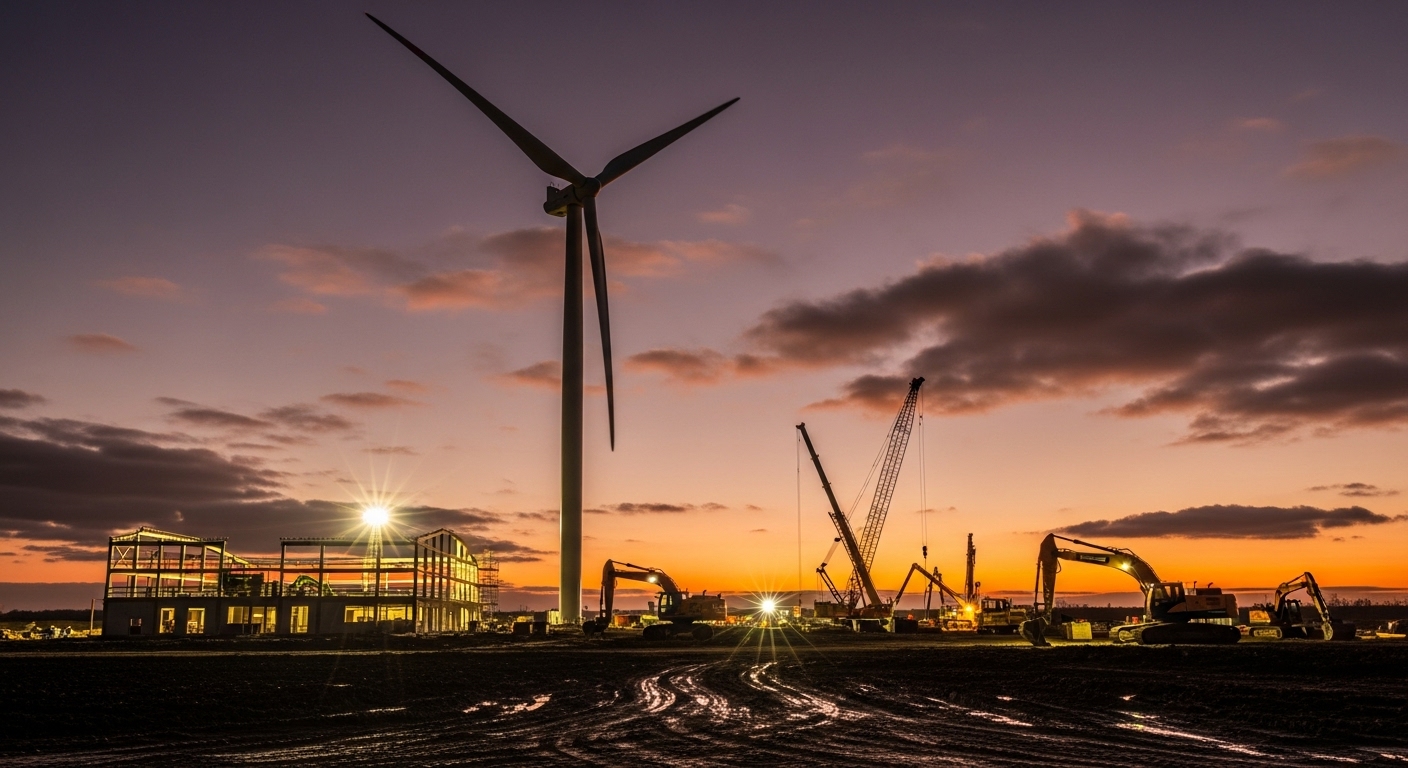
Environmental liability has quietly shifted from a peripheral concern to a deal-critical risk factor across real estate, infrastructure, energy, and development markets. Over the past 12–18 months, lenders, investors, and regulators have materially tightened their expectations around environmental risk transfer, turning insurance from a “nice-to-have” into a financing and permitting gate.Projects that address environmental exposure early move faster, secure capital more efficiently, and avoid late-stage deal friction. Those that don’t increasingly face delays, repricing, or stalled approvals.
This month, we focus on how environmental liability insurance is being used not just to manage risk, but to unlock capital, support balance-sheet credibility, and keep projects on schedule.
Understanding Environmental Liability Coverage:
1. Cleanup and Remediation CostsEnvironmental liability insurance can cover the costs associated with pollution cleanup, whether from sudden incidents or gradual contamination. This protection is critical during development, property acquisition, or ongoing operations where historical or operational risks may exist.
2. Third-Party Claims and Legal DefenseCoverage may also extend to third-party bodily injury, property damage, and legal defense costs resulting from pollution events. Without proper coverage, these claims can escalate quickly and disrupt business continuity.
3. Regulatory and Permitting DriversEnvironmental insurance is increasingly required by regulators, lenders, and project stakeholders. Policies are often tied to permitting approvals, construction financing, or real estate transactions, ensuring environmental risks are formally addressed before projects move forward.
4. Lender and Investor RequirementsBanks and institutional investors frequently require environmental liability coverage to mitigate downside risk. Properly structured insurance can support financing, reduce transaction friction, and strengthen project credibility.
At EIS, we help clients assess exposure early and secure coverage that aligns with their operational footprint and regulatory obligations.
Challenge: A real estate developer preparing for a mixed-use project encountered concerns during due diligence related to potential soil contamination. Lenders required environmental risk mitigation before releasing construction financing.
EIS Solution:
• Structured site-specific environmental liability coverage aligned with lender expectations
• Addressed cleanup cost exposure and third-party liability concerns
• Worked alongside environmental consultants and underwriters to align coverage with lender expectations
Outcome: The developer satisfied financing requirements, secured project approvals, and proceeded with construction while mitigating long-term environmental exposure.

Environmental liability is shifting from a niche concern to a core risk management priority. Key trends shaping the market include:
• Increased regulatory scrutiny across federal and state levels
• Greater lender involvement in environmental risk transfer
• Expanded coverage applications beyond industrial sites to commercial and residential developments
• Early-stage insurance planning becoming a best practice rather than a last-minute requirement
Organizations that proactively address environmental risk are better positioned to protect assets, secure financing, and maintain operational momentum.